The desk job is no longer the safe bet it once was. Revivo is making the case for work that cannot be done from a server room.
In many Indian homes, “he works in IT” used to end the conversation. It meant a salary on the first of the month, an EMI that could be planned for, and parents who could finally relax. That certainty is slipping.
The numbers show why. In FY2026, India’s five biggest IT companies, TCS, Infosys, Wipro, HCLTech and Tech Mahindra, together recorded a net fall of about 7,400 employees, the first decline in roughly two decades. Cognizant announced a restructuring that could cut 12,000 to 15,000 jobs worldwide, with much of it landing in India. By mid-year, the Nifty IT index had fallen about 23 per cent, wiping out an estimated $77 billion in market value, and projections put Indian tech job losses for 2026 at 25,000 to 35,000. Startups have not been spared either, with around 1,700 layoffs recorded in the first quarter alone.
Behind those figures is a change in the work itself. AI tools now handle routine coding, testing, documentation and report writing, the very tasks that once trained freshers and filled the lower rungs of the ladder. With those rungs thinning, graduates send hundreds of applications and hear nothing back. Professionals in their thirties, with home loans and children’s fees, watch their teams shrink and wonder whose turn is next. In a country where more than 65 per cent of the population is under 35, the pressure falls on a very large number of people.
The picture is not entirely bleak. The Economic Survey 2025-26 said AI had not yet triggered mass job losses, and employers often point to skill mismatches rather than direct replacement. AI-related hiring is also rising. But for the person sitting at home with an uncertain future, the debate matters less than the question underneath it: what can I build that will last?
Former HCL Technologies CEO Vineet Nayar has argued that India will need large-scale startup formation to absorb those displaced, since big IT firms cannot be expected to do it. The idea is right, but starting from nothing is hard. It means an idea, money, customers and a team, all without a regular income.
This is where Revivo enters the conversation, with an answer from an unexpected corner: laundry.
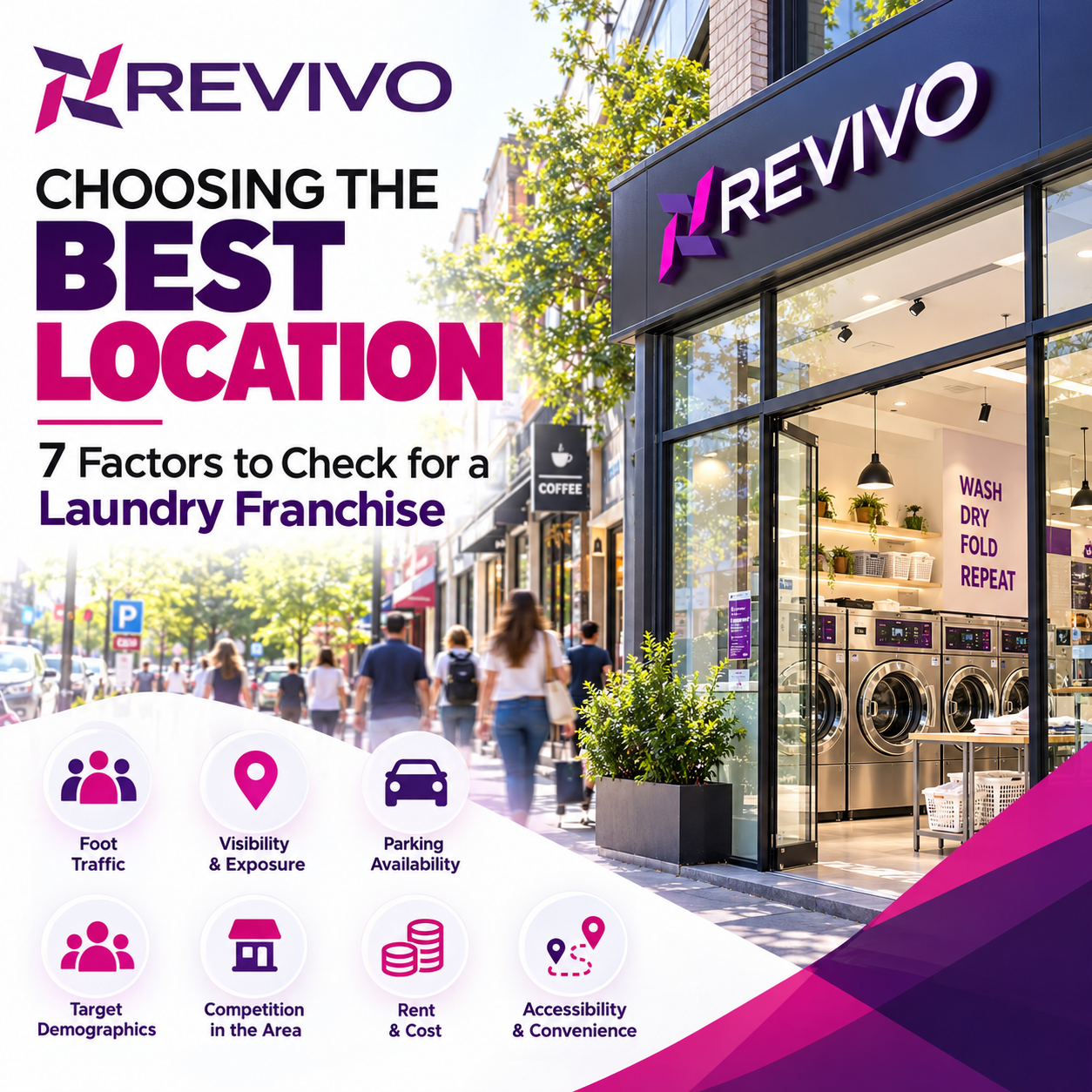
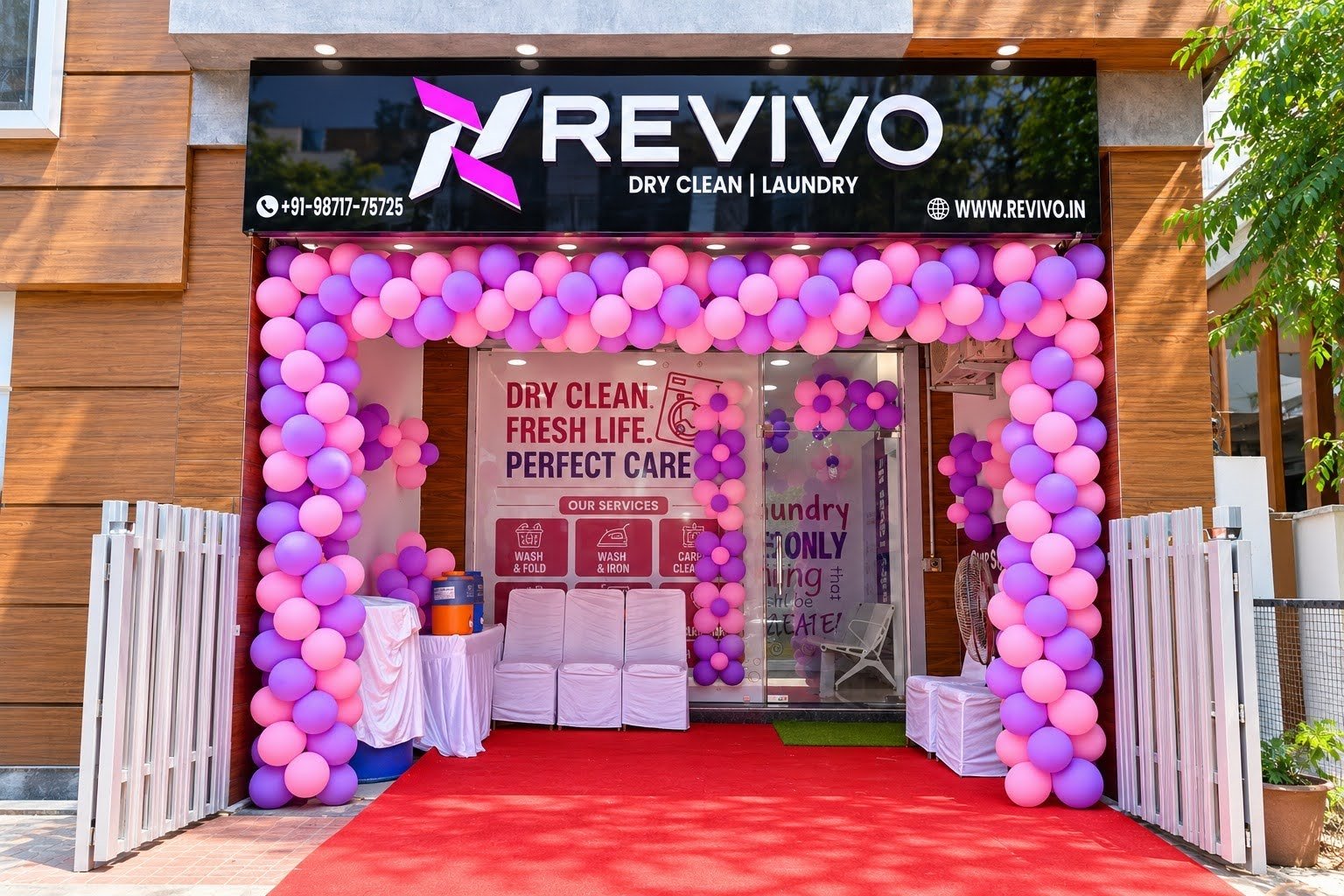
Revivo runs a pickup and delivery laundry and dry cleaning service through its app, covering everyday laundry, dry cleaning, premium laundry, ironing, shoe care, and the cleaning of curtains, carpets and upholstery. It expands through franchise partners under a model called Live Laundromat, designed for places with natural footfall, such as residential markets and co-living areas.
What makes the model suited to newcomers is its order of events. Revivo builds demand in the neighbourhood before a store is handed over, so a new partner begins with customers already waiting. After opening, the company supports staffing, equipment and daily processes, and expects every partner to follow the same procedures, so a customer in Pune gets the same experience as one in Gurugram. A person who has never run a business does not have to design the system from scratch. They run one that is already tested.
The business itself suits uncertain times. Clothes have to be collected, cleaned, pressed and returned by people, in a specific neighbourhood, and the need comes back every week in every home. It cannot be shifted to a cheaper location or handed over to a software tool.
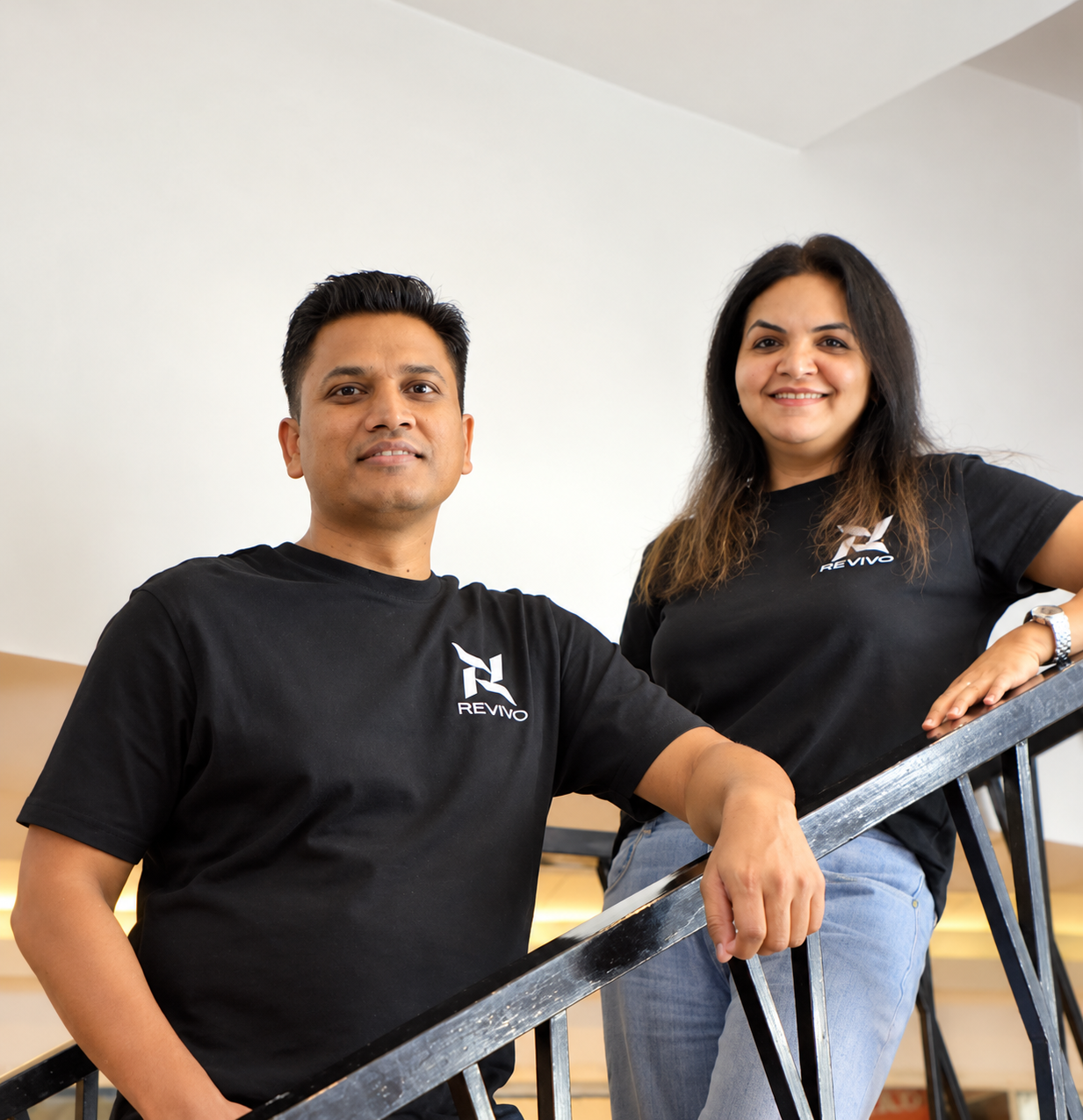
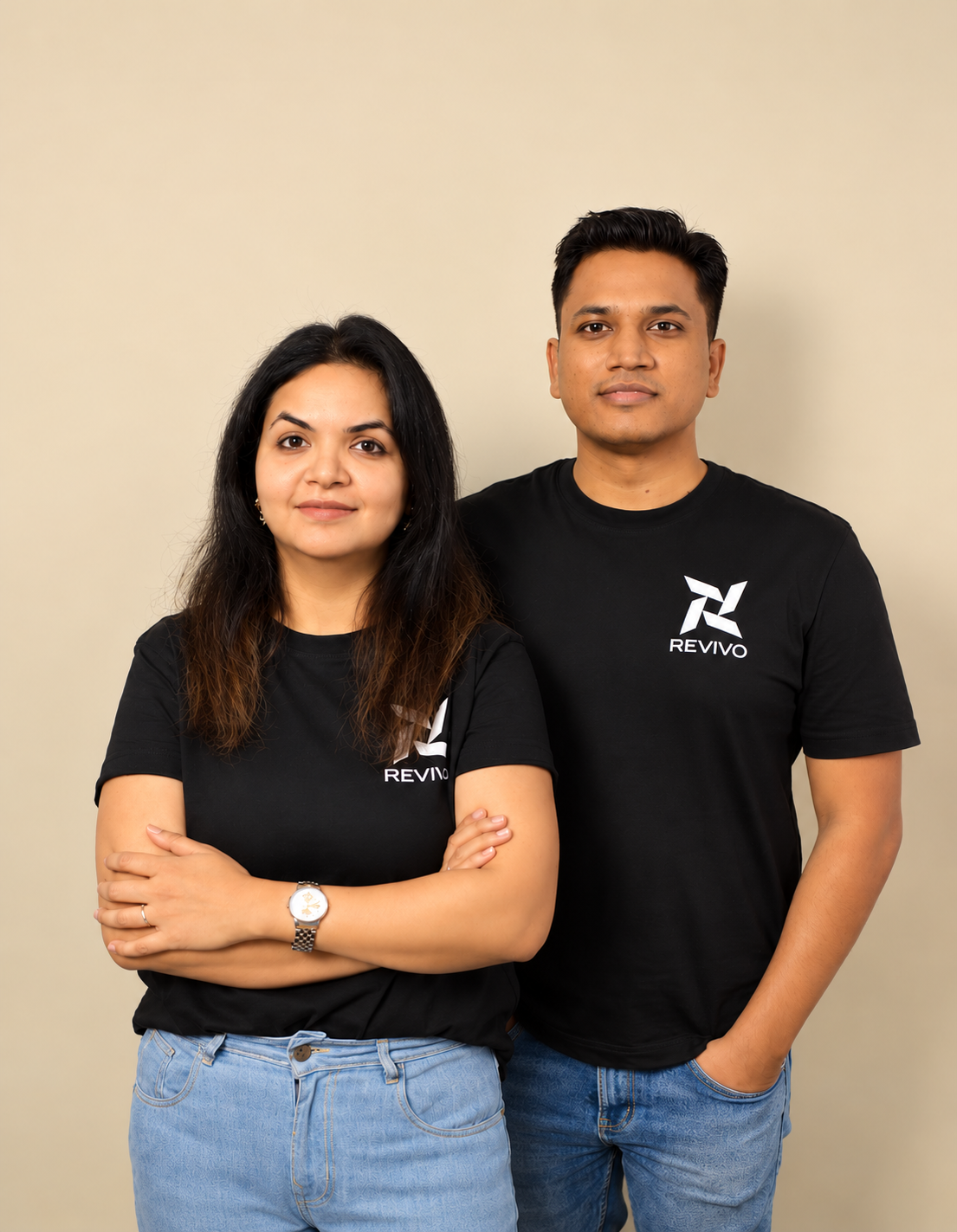
The brand, founded in 2022 by Vikas Agarwal and Khushboo Gupta and backed by Inflection Point Ventures, has grown to more than 50 stores across Delhi, Gurugram, Lucknow, Bengaluru, Hyderabad, Ludhiana, Mohali and Pune. It is now turning to tier-two cities, where professional garment care is still rare, and has spoken of an eventual network of 1,000 stores.
A franchise is still a business, with costs, long hours and real risk, and anyone considering one should study the numbers, visit running stores and speak to existing partners first.
But as software changes what a secure career looks like, more people are asking a different question: not which job is safe, but which business is. For some, the answer may be as ordinary as a neighbourhood store with a steady stream of customers.